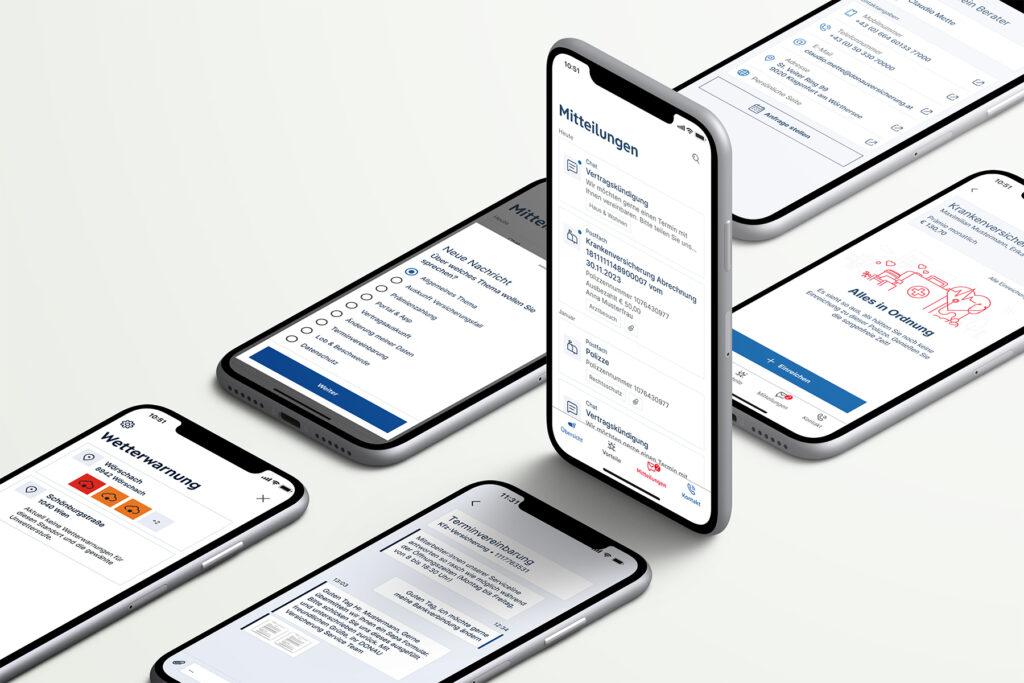
Understanding & managing insurance, all in one place
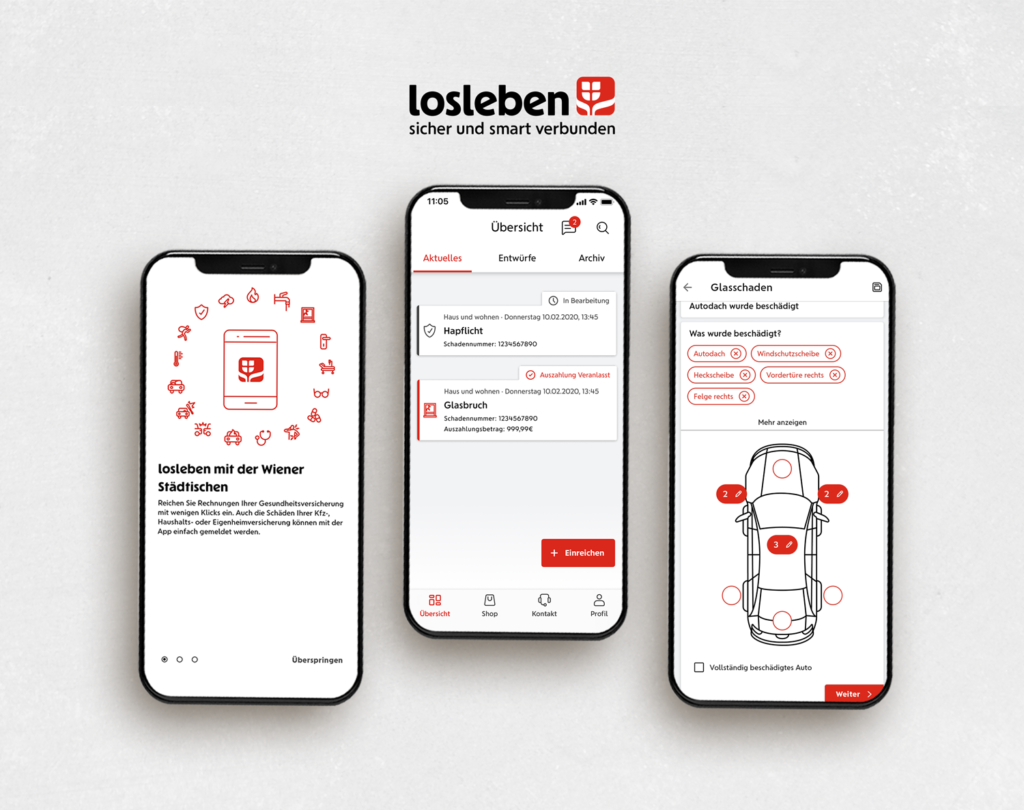
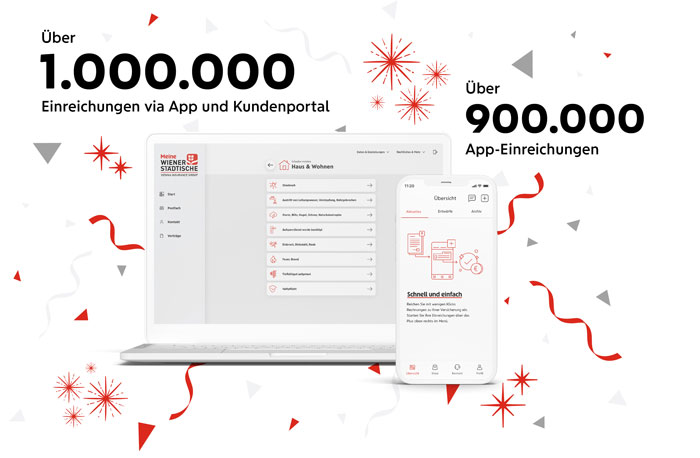
Losleben stands as one of my most ambitious and impactful projects. Over six years, I guided this product through every stage of its lifecycle, scaling it into an ecosystem that now serves over 1.5 million users.
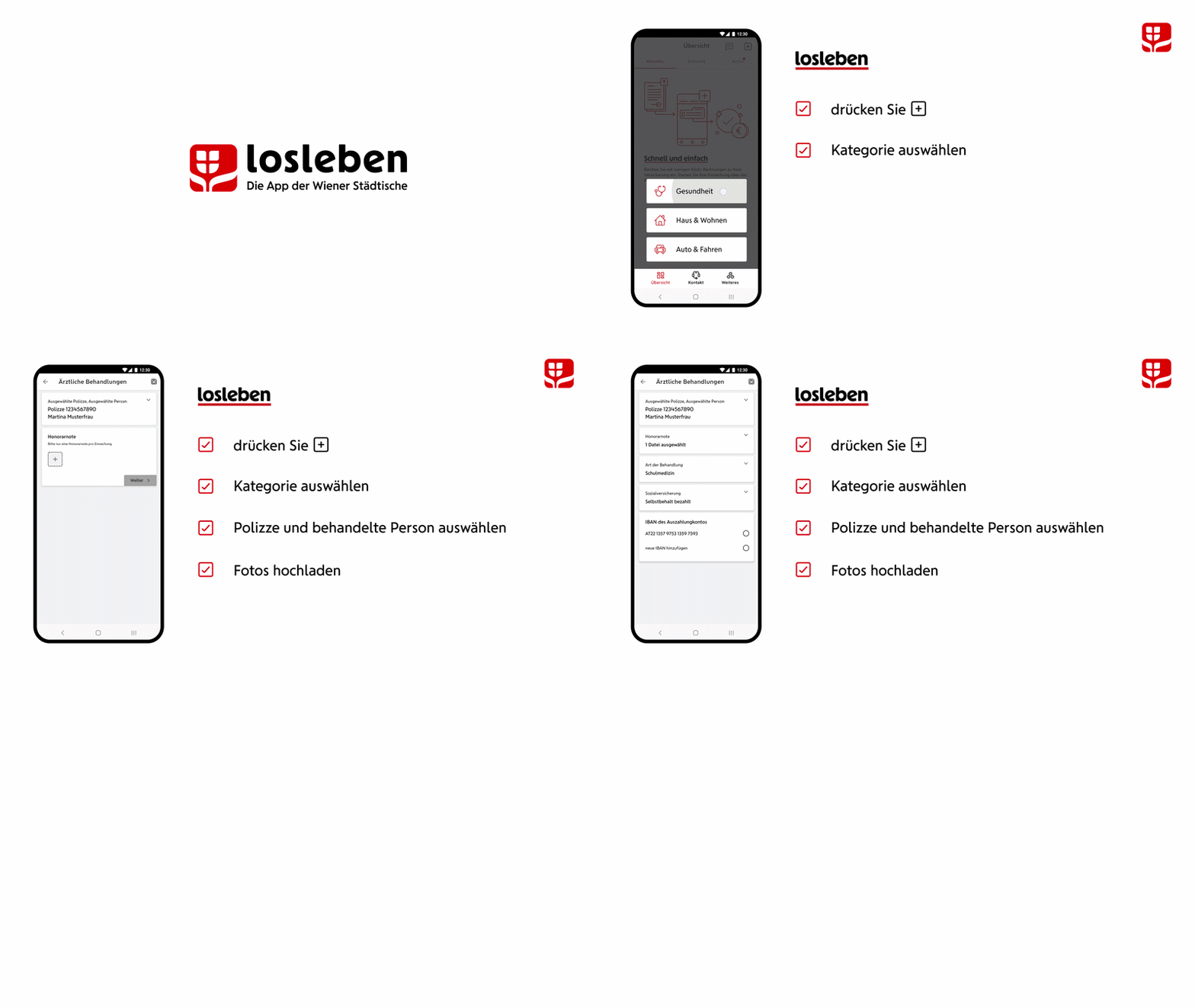
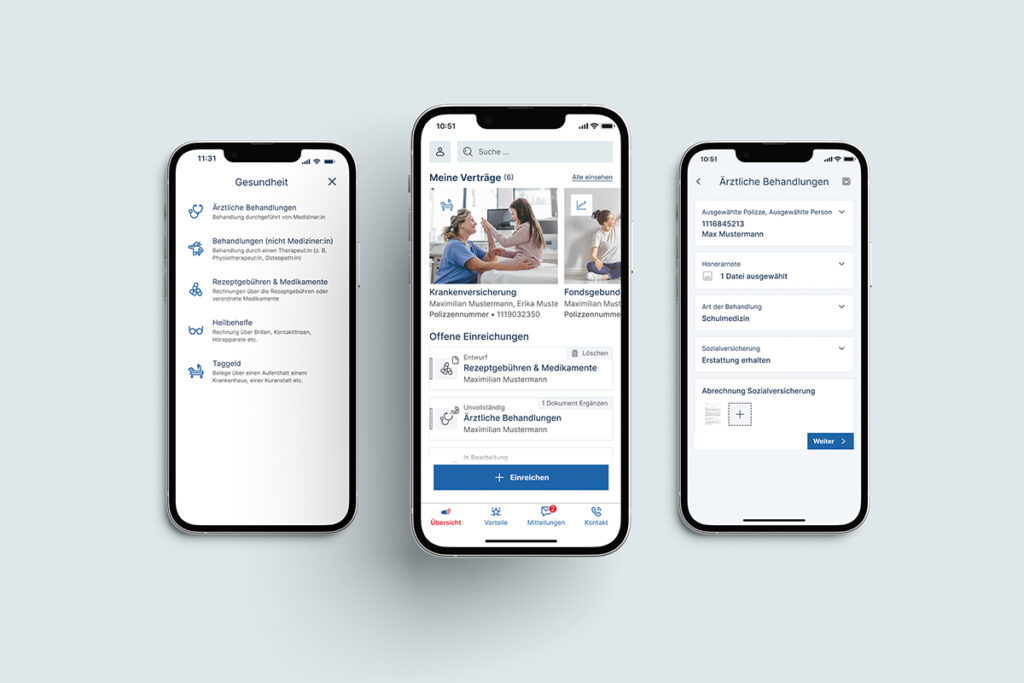
What began as a rudimentary health claim submission tool has evolved into the central hub for all insurance operations, maintaining absolute clarity and accessibility for both policyholders and dedicated agents.
Role:
Lead Product Designer
Scope:
UX Research, System Architecture, UI Design, Strategy
Tools:
Figma · Condense · GitHub
Timeline:
2020 – 2026
01 Mission: Strategic Foundations
Starting from Zero
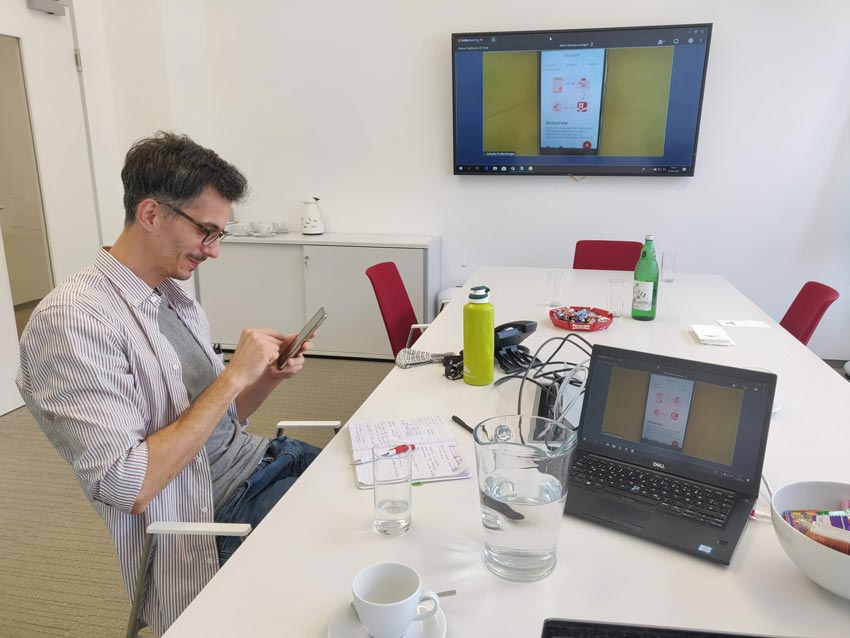
In 2020, I joined the project as the sole designer. The initial product was temporarily dubbed the “Health App” and lacked a brand identity while possessing very low UX maturity. At the time, the Austrian insurance industry was heavily reliant on paper, and user sentiment toward digital insurance was highly skeptical.
The Challenge
Getting ready for the next level
When we started in 2020, we were pioneering a fully digitized insurance app in a market that lacked an industry standard. While building the product was our immediate goal, we quickly identified two major blockers to adoption.
The Trust Gap
The industry relied heavily on tied agents and brokers. Customers had strong personal connections with their agents and saw little benefit in submitting claims autonomously.
Handling Health Data
Managing sensitive health data demands absolute security. We had to innovate within strict compliance constraints, frequently engineering custom solutions rather than relying on third party vendors to guarantee data integrity.
The Outcome
A successful launch required collaborative synergy. Working closely with sales and marketing, we engineered an intuitive product that agents could confidently use to onboard their customers.
Brand Identity
We established the name “Losleben,” giving the product a clear mission and visual identity that resonated with existing clients.
Agent Integration
Instead of bypassing agents, we made them active stakeholders. Through workshops and discovery panels, agents became integral to the rollout, earning commissions for promotion and digital profile switching.
The Mutual Benefit
By shifting the narrative, we demonstrated how the app unburdened claim handlers and agents from repetitive administrative tasks, allowing them to focus on high value client relationships.
02 Mission: Iteration and Ecosystem Expansion
Scaling the Architecture
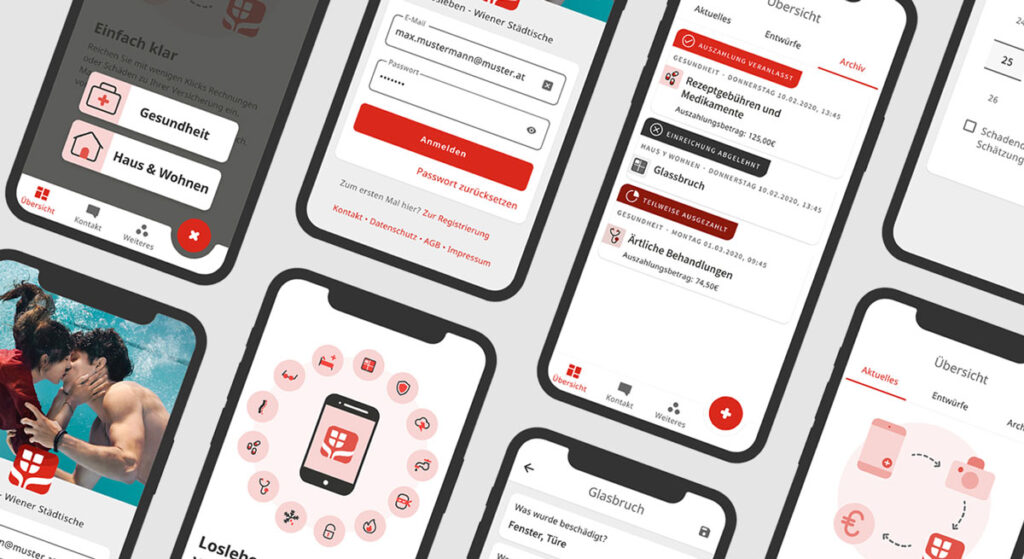
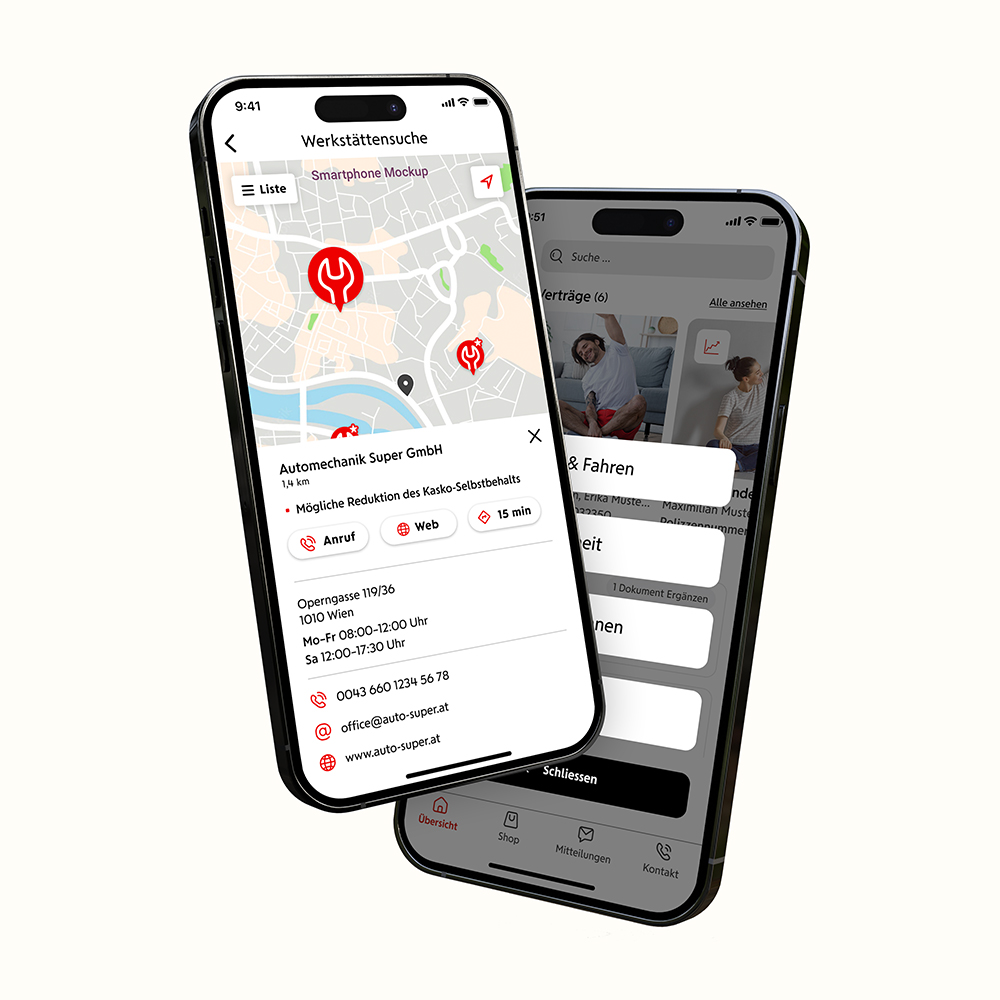
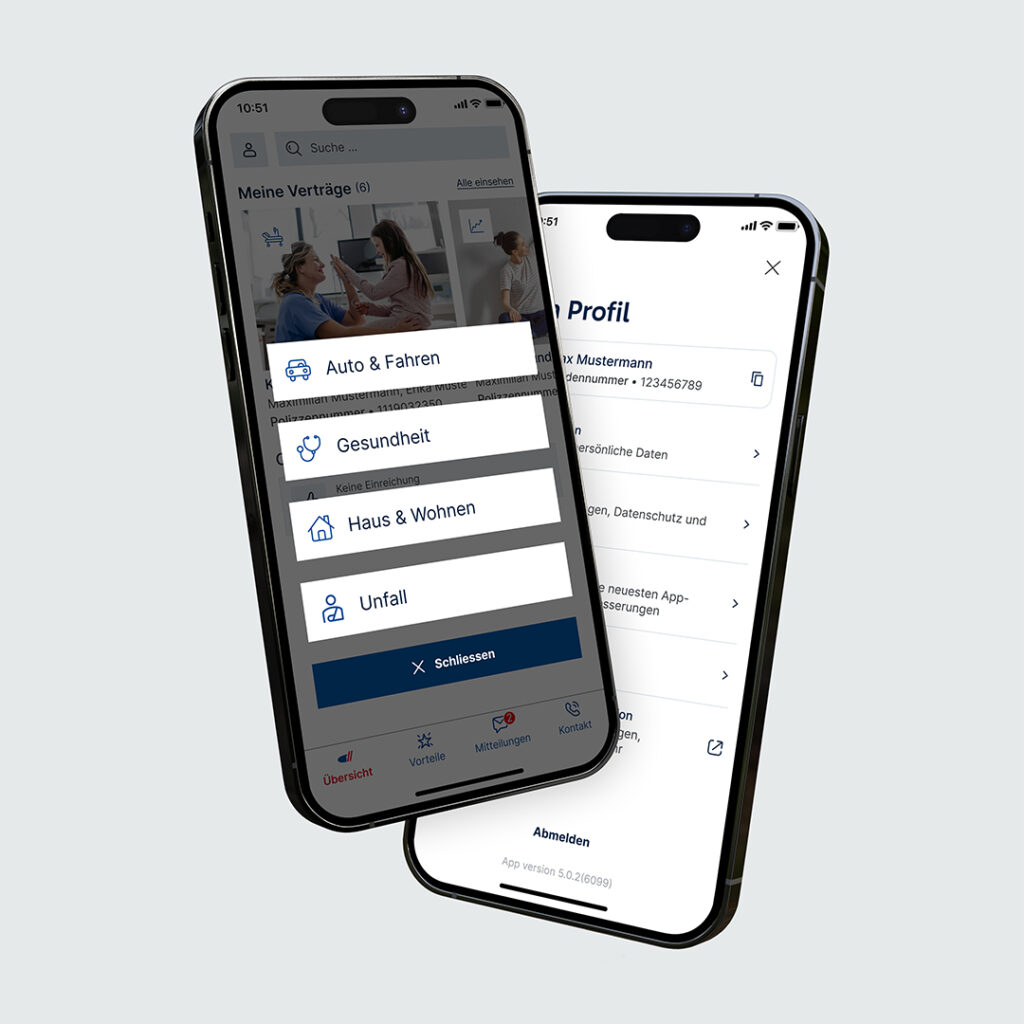
By 2021, we began expanding the ecosystem to include new insurance divisions, starting with Home, followed by Car, and eventually Accident insurance.
We quickly realized that a user’s emotional state dictates their interaction with the app. The UX had to accommodate severe emotional variance. A user submitting a routine pharmacy receipt is in a vastly different mental state than someone standing next to their totaled vehicle.
The Challenge: Scaling Value Without Bloat
Making more and better at the same time
Integrating new divisions meant starting from scratch in terms of user research. We uncovered several harsh truths.
No need for an App
Users without health insurance mentioned they did not see the benefit of having an app in their phones. Were we building something nobody wanted?
Users were actually happy with their agents
Because insurance is inherently complex, users were hesitant to manage it autonomously. They felt they were paying for personalized support and feared that a fully digital experience would eliminate the human element they valued.
Lack of Added Value
The tool functioned flawlessly for claim handling, but users lacked a compelling reason to engage with it outside of emergencies.
The Double Claim Problem
Users were not fully grasping the autonomous service model. They would submit a claim via the app and then call their agent to submit it again, creating massive technical debt and operational strain.
The Outcome
To drive full autonomous adoption, we had to introduce highly engaging, value driven features that transcended basic claim handling.
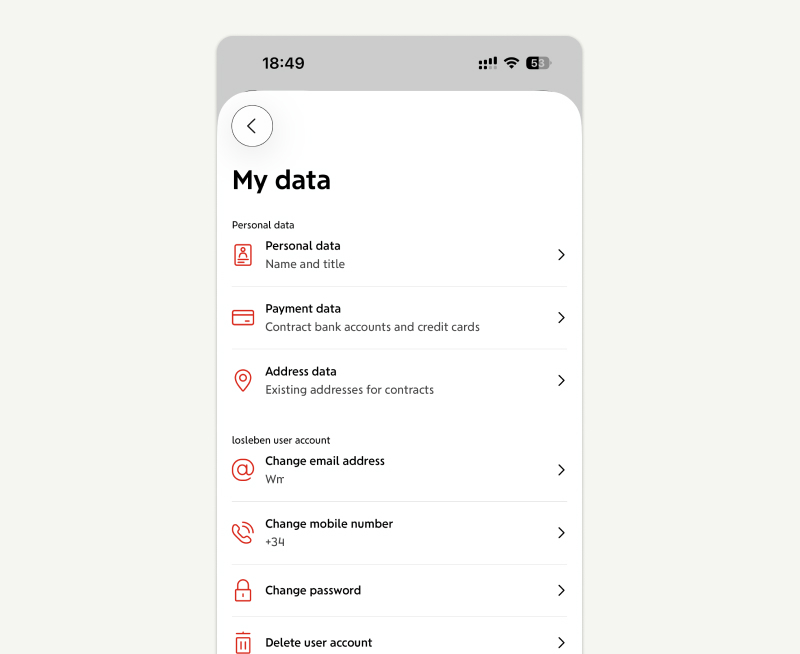
Data Autonomy
Users can fully manage their profiles, updating names post marriage, changing addresses, or adding insured family members seamlessly.
Instant Coverage Checks
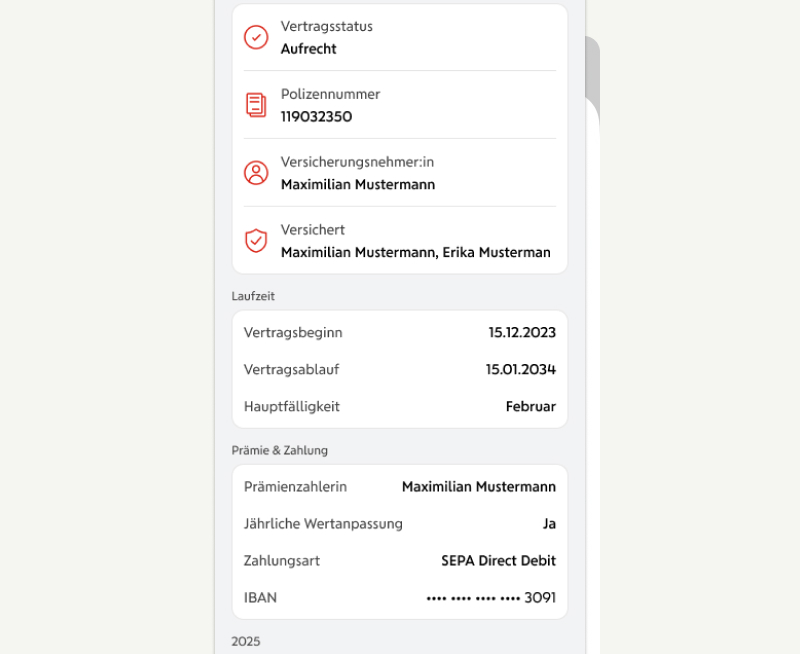
Simplifying complex policy documents. Whether a storm breaks a window or a car is scratched, users can view simplified and real time coverage breakdowns without reading through pages of legal text.
Natural Language Search
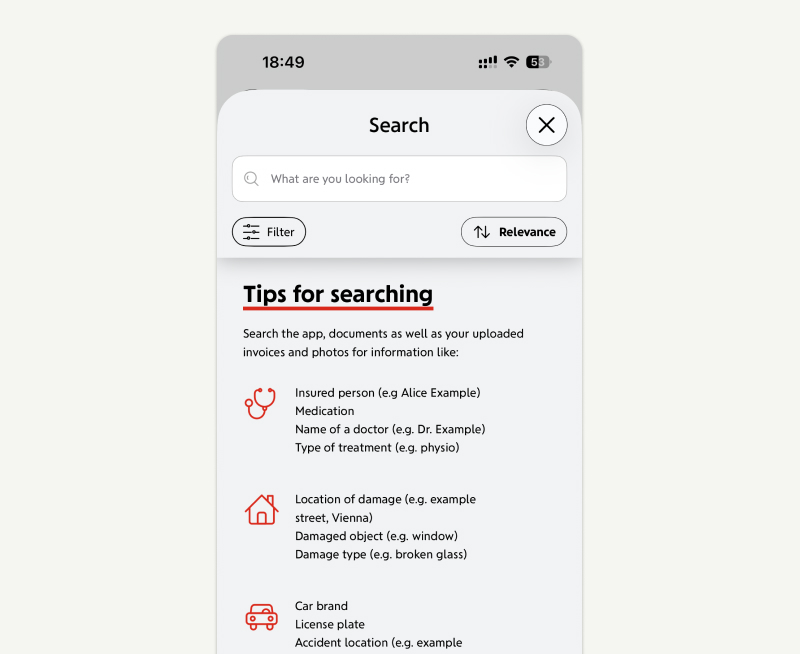
Insurance generates endless paperwork. We engineered a powerful natural language search engine, allowing users to instantly retrieve specific letters, photos, bills, and policies.
Integrated Weather Alerts
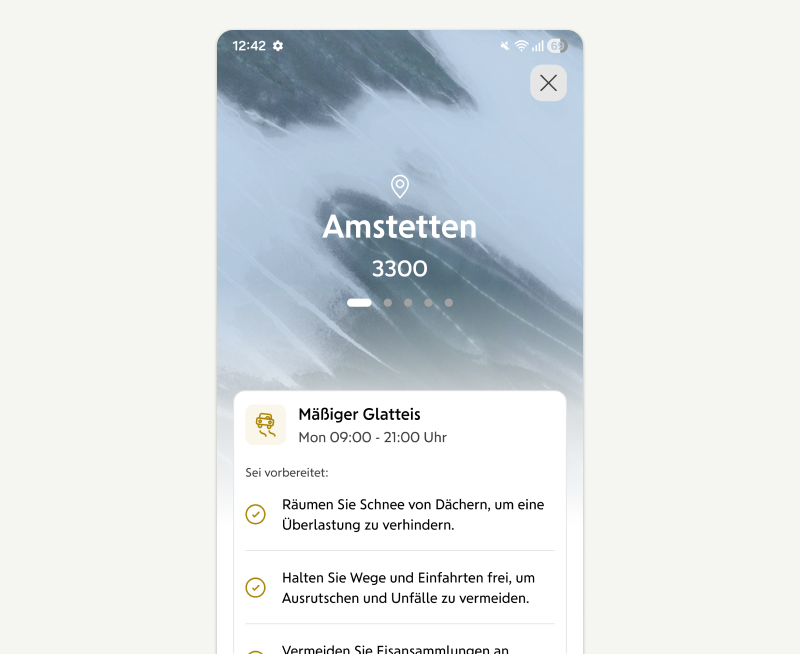
To shift from reactive healing to proactive prevention, we integrated a weather API. Users receive severe forecast alerts alongside actionable advice to protect their assets.
Partnership Benefits
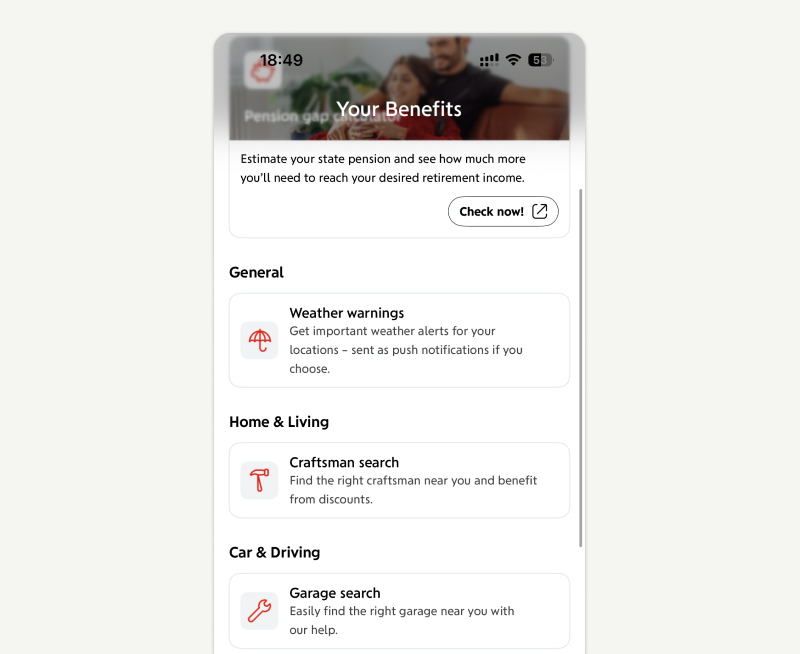
We centralized Wiener Städtische’s partner benefits within the app, ensuring users consistently experienced the added value of their policy.
Life Insurance and Funds
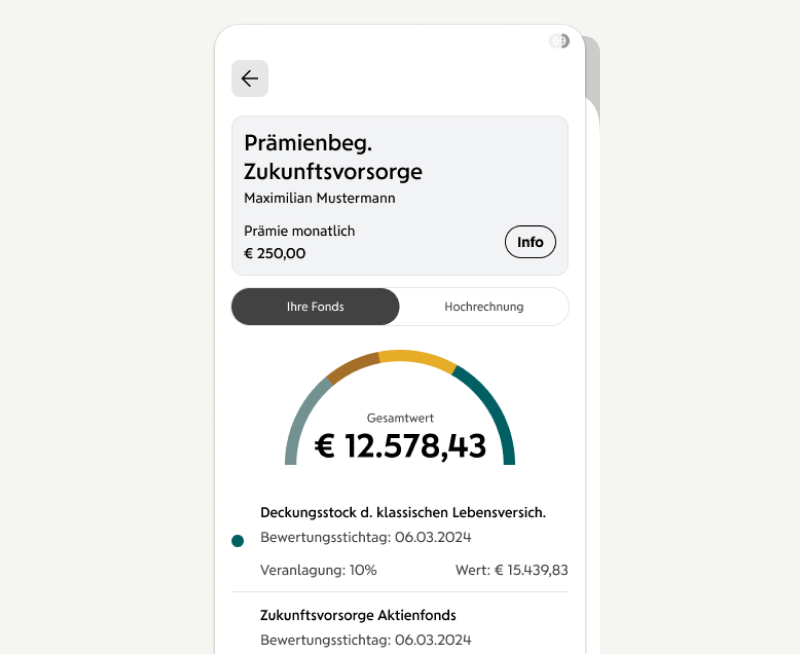
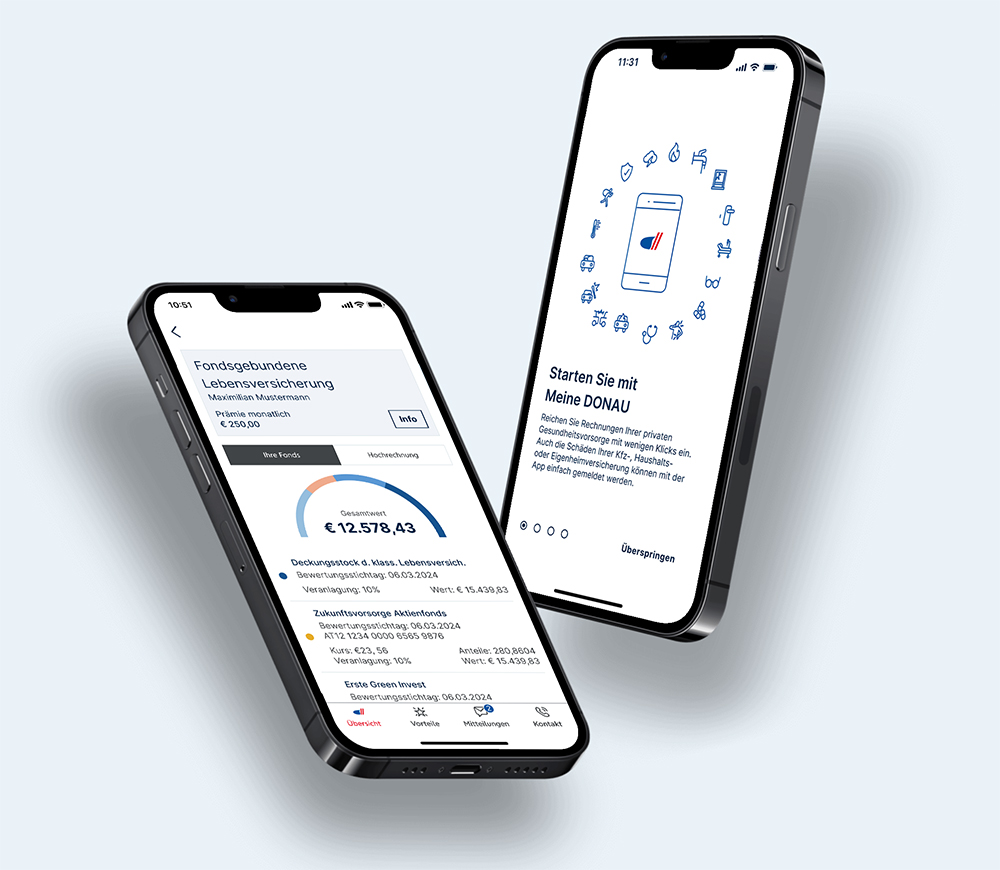
Positioning insurance as a financial asset, we built dashboards allowing users to track and adjust their money within the Wiener Städtische portfolio.
03 Mission: System Architecture and Redesign
Homescreen Redesign
As Losleben evolved from a niche tool into a multiple branch ecosystem, the feature set outgrew the interface. Crucial features were buried under layers of legacy navigation, leading to user confusion and low adoption of new tools.
Discoverability was completely broken.
The Challenge
The UI Refinement
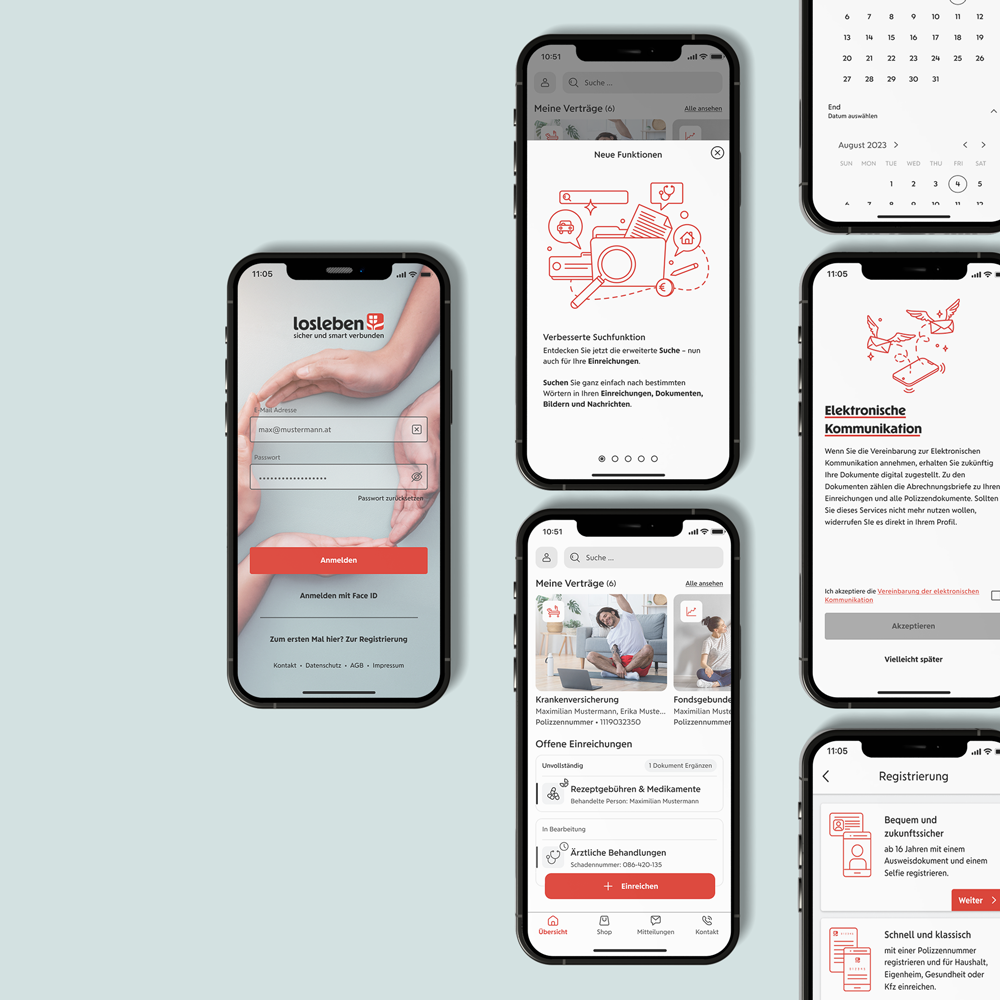
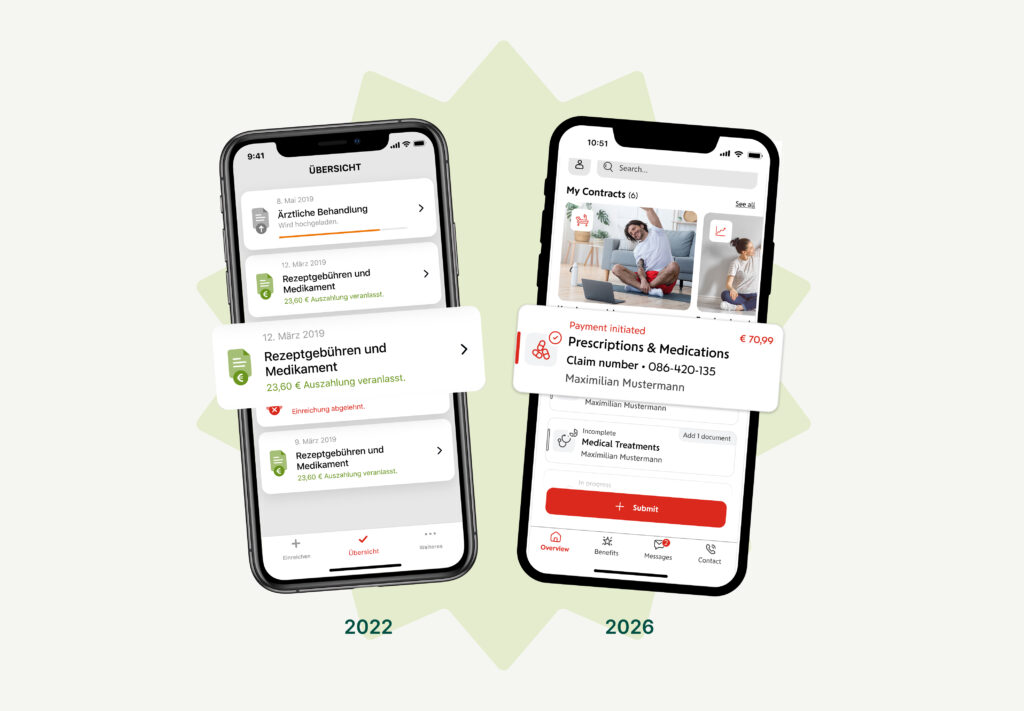
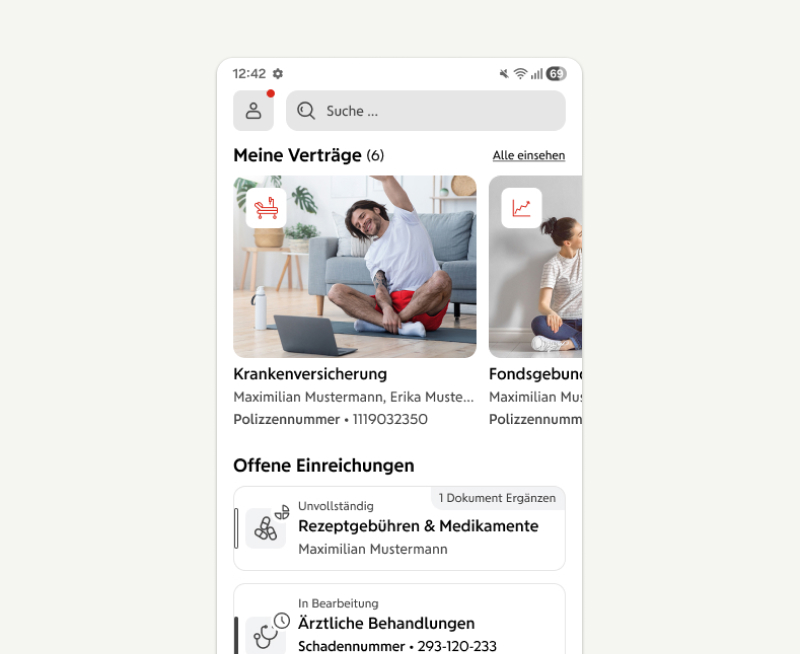
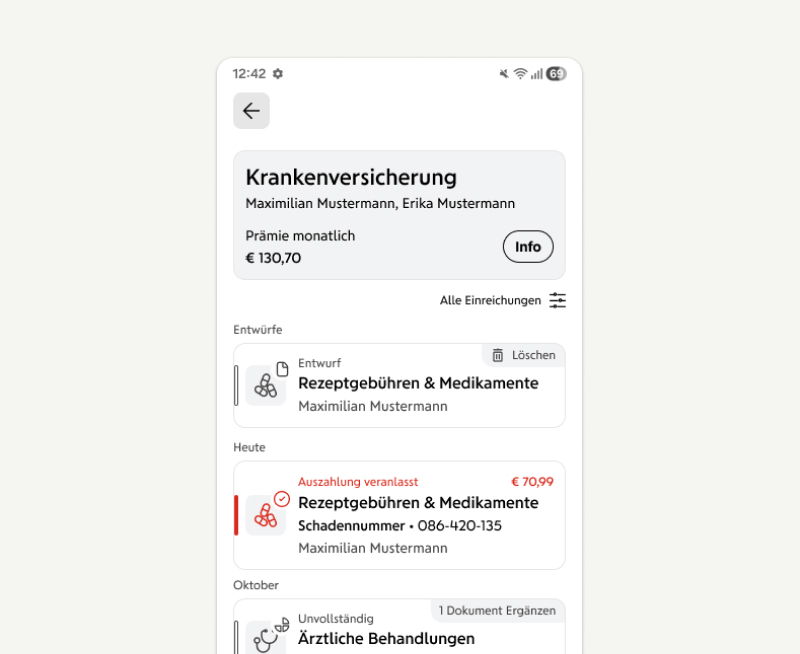
I spearheaded a complete structural overhaul of the Home Screen, transitioning from a static link directory to a dynamic card based dashboard. Inspired by modern fintech architecture, we prioritized active matters, ensuring the right feature surfaced exactly when the user needed it.
Leveraging Familiar Patterns
We retained the core interactions users already trusted while introducing new pathways to promote underutilized features.
Semantic Use of Color
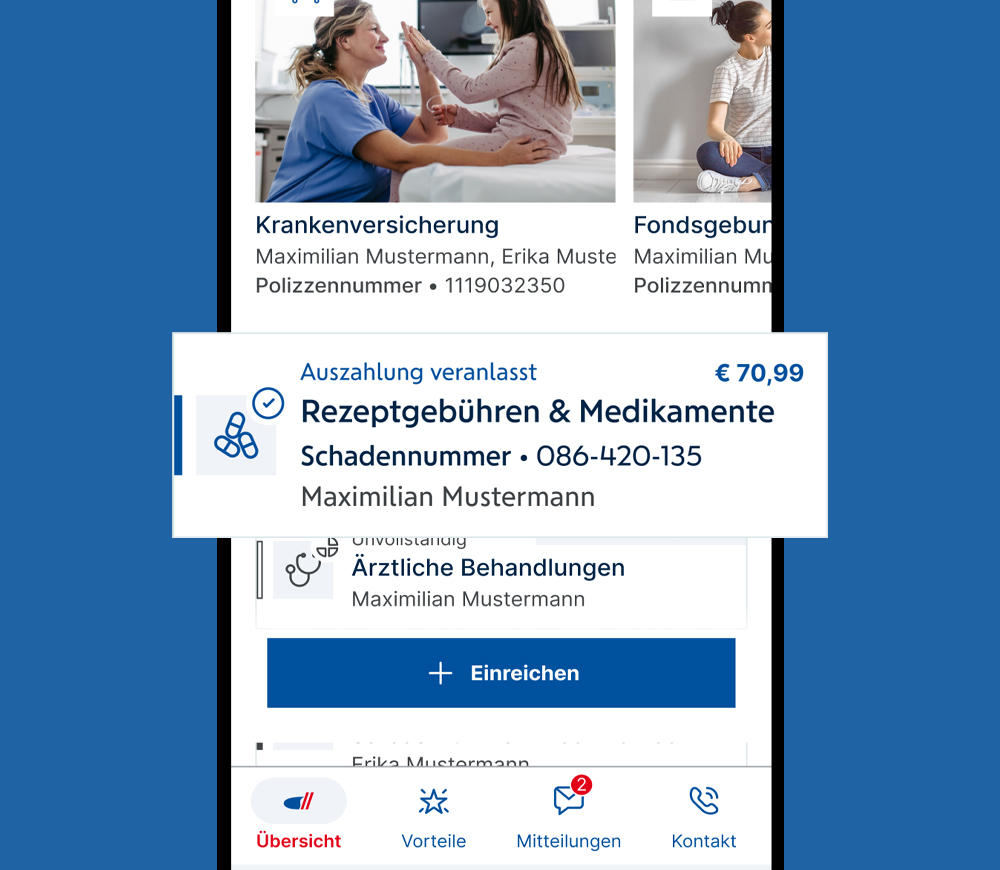
Red was our primary brand color, but we needed nuance. We developed a broader semantic design language to clearly differentiate between positive confirmation, payouts, and urgent alerts.
Dynamic Hierarchy
We restructured information based on real world urgency. Active policies, pending claims, and urgent messages took priority on the homescreen, establishing a highly intuitive internal hierarchy.
A Home Feeling
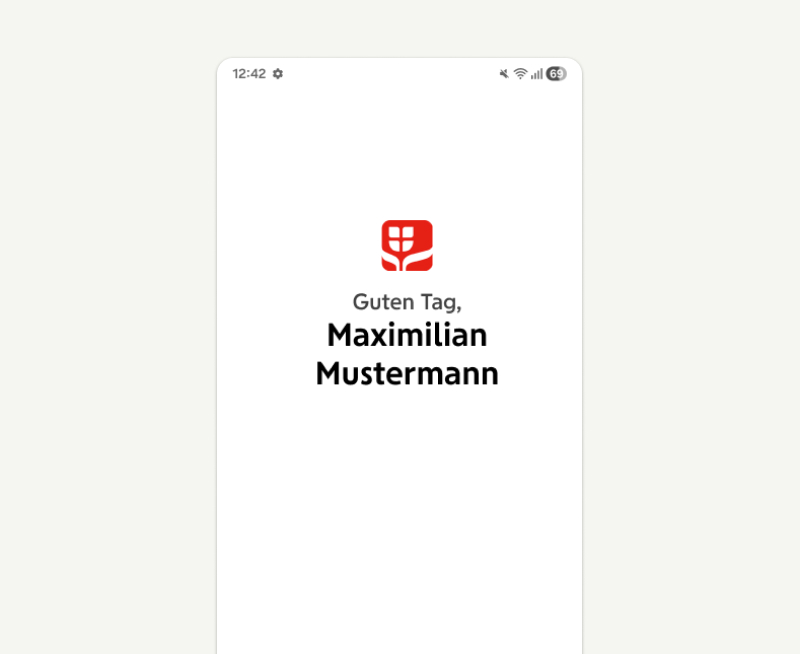
We introduced warm imagery, fluid micro animations, and personalized greeting splash screens. This dramatically increased user acceptance and established the welcoming environment we aimed for.
04 Mission: Enterprise Replication
Scaling the Framework
Following Losleben’s immense success, Donau Versicherung requested a cloned product for their own customer base. I led the architectural adaptation, translating the core functionality into an entirely new design language and ensuring it perfectly matched their specific audience and business expectations.
Behind the Scenes
Losleben was an exceptionally demanding project. I grew from a solo contributor into a Lead Product Designer, expanding my expertise across product strategy, branding, business alignment, and team leadership.
Leading a Design Team
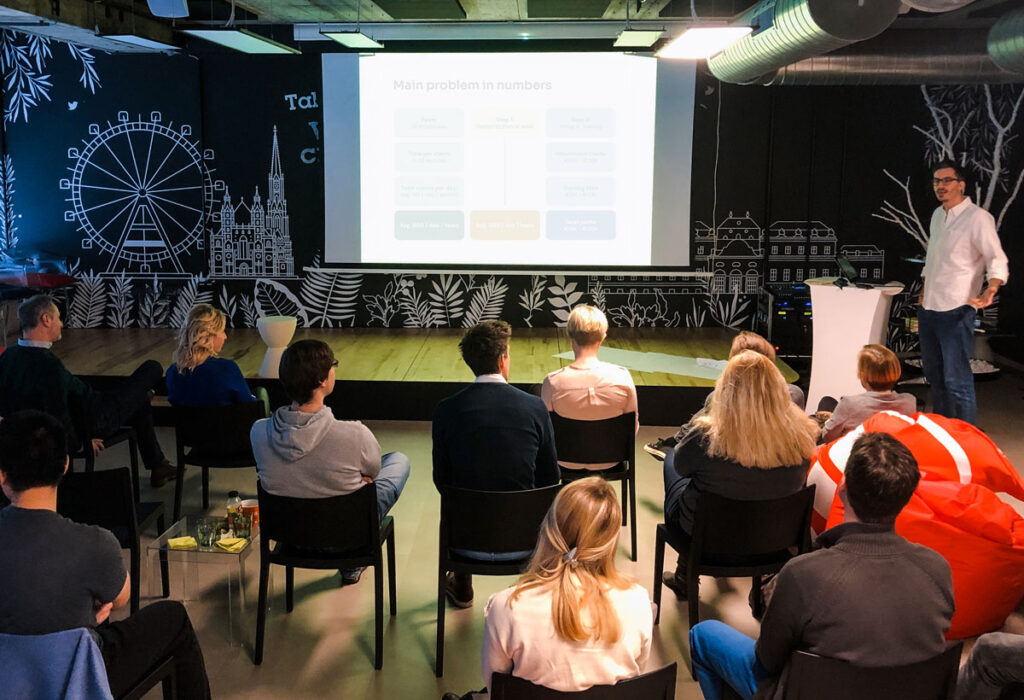
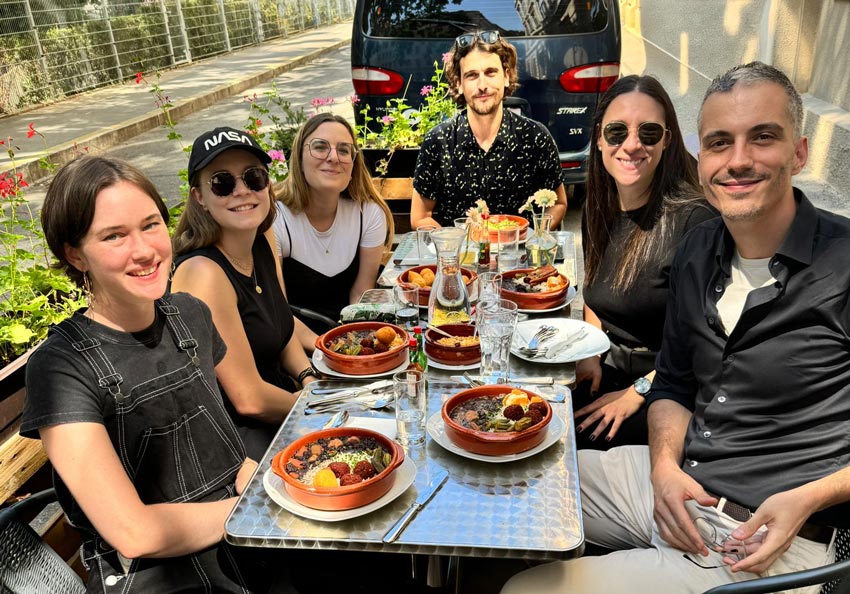
What began as a solo operation evolved into a diverse team of specialists. Together, we delivered a holistic design ecosystem encompassing UX copy, user research, illustration, motion graphics, and photography.
Functional Design System
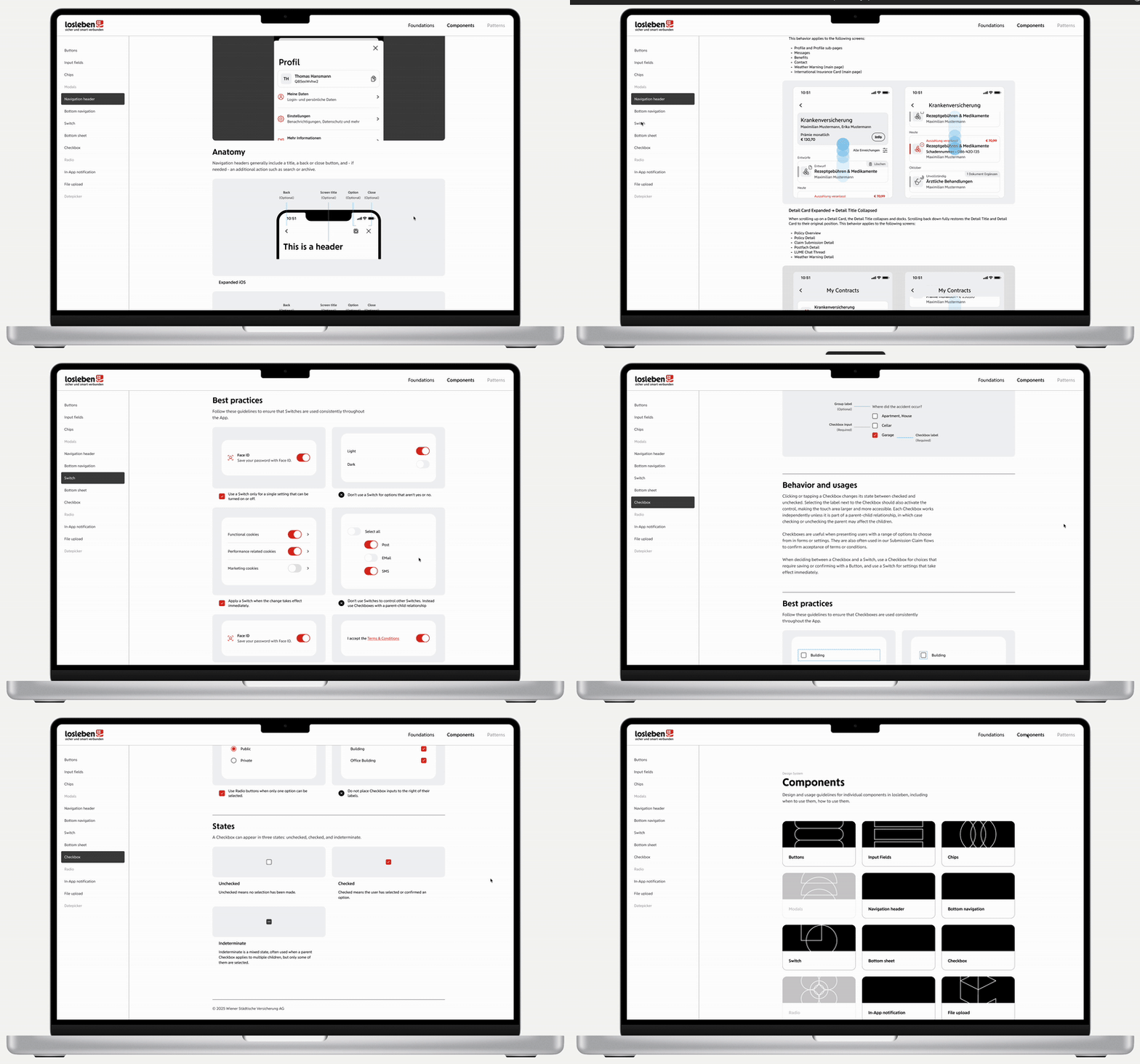
As Losleben expanded to desktop browsers, we built, adapted, and meticulously documented a fully responsive component library. devices.
Embracing Failure
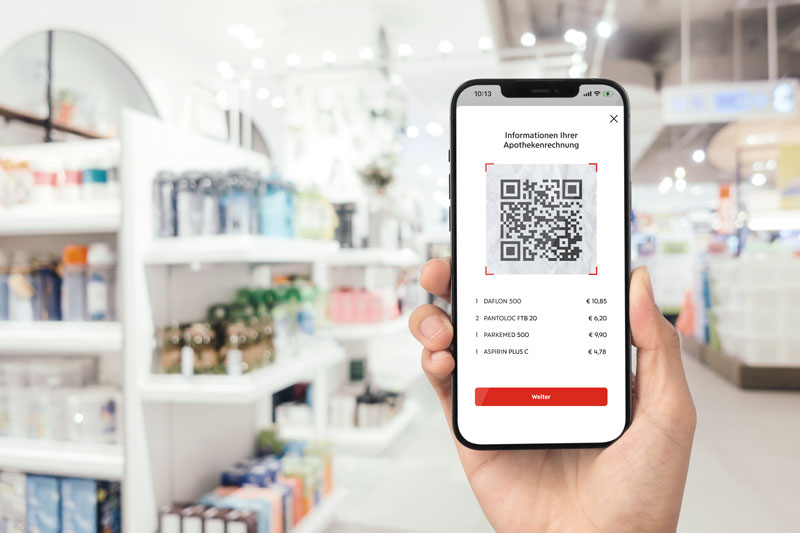
Not every feature succeeded. An integrated internal shop misaligned with user expectations, and a QR code reader for pharmacy bills was eventually sunset.
These failures drove our iterative learning process.